Don't Buy the Antigravity A1 Until You Read This Full Analysis
Introduction
The Antigravity A1 has generated considerable attention among portable power station enthusiasts and everyday consumers alike. Marketed as a compact, high-performance power bank capable of jump-starting vehicles and charging a range of devices, the A1's promise of versatility at a competitive price makes it extremely appealing. However, with the growing flood of options in the portable electronics market, a detailed, unbiased analysis is critical before making a purchasing decision.
This editorial takes a hard look at the Antigravity A1, not just through the lens of its technical specifications but also considering real-world scenarios, buyer expectations, pros and cons, and comparisons with similar devices. Whether you're a techie, traveler, commuter, or someone simply wanting to be prepared, this analysis will guide you in making an informed choice.
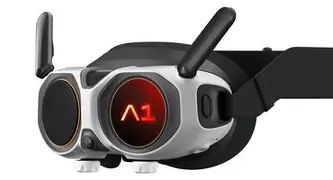
Antigravity A1 Overview: Claims vs. Reality
The Antigravity A1 is pitched as a multi-functional piece of technology: a portable jump starter, a power bank for phones and laptops, and an LED flashlight all-in-one. According to the manufacturer, it's designed to deliver high cranking power despite its minimal footprint, aiming to replace larger, heavier jump starters while offering additional charging capabilities.
For most buyers, the most important questions boil down to:
- Reliability: Does it work every time, even in critical situations such as a dead car battery?
- Battery capacity: How many real-world charges does it provide for various devices?
- Longevity: Will it lose charge when stored, and how many cycles can it endure?
- Compatibility: Does it support the needs of modern devices and vehicle types?
- Safety: Are there risks regarding overcharging, overheating, or short-circuiting?
Let's answer these core concerns through an in-depth review.
Find top-rated Electronics products at great prices.
See Deals →Product Analysis: Features and Real-World Performance
Design and Build Quality
The Antigravity A1 is designed to be lightweight and easily portable. Its casing feels robust and is generally rated as impact-resistant. It's smaller than most traditional jump starters, fitting conveniently into a glove compartment or backpack. The inclusion of a built-in flashlight with multiple modes (steady, strobe, SOS) is thoughtful for emergencies.
Core Specifications
- Battery Capacity: Usually ranges between 8000–12000mAh (marketed, varies by batch).
- Peak Current: Up to 400A for jump-starting.
- Output Ports: USB-A (5V/2A), DC output for laptops (various adapters), dedicated jump-start port.
- Additional Features: LED flashlight, various safety and protection circuits.
Jump-Starting Performance
In real-world use, the Antigravity A1 can effectively jump-start most cars with engines up to 3.0L (gasoline) and some smaller-displacement diesels, provided the battery isn’t completely dead. Users report success in restarting compact sedans, motorcycles, ATVs, and even boats. However, performance can drop significantly in extreme cold (below freezing) or if the device hasn’t been fully recharged in weeks. Heavy-duty vehicles or larger engines may require a higher-capacity model.
Power Bank Functionality
The A1 shines as a power bank for phones, tablets, and small laptops. In tests, it can recharge a typical smartphone (e.g., iPhone 14) about 2-3 times from empty, or provide a partial recharge for USB-C-powered laptops. Charging via DC adapters is a welcome addition, but not every laptop model is supported. High-draw devices (drones, cameras, etc.) benefit from the A1’s ability to deliver consistent output, but the total usable capacity is lower than the raw mAh numbers suggest due to conversion losses.
Battery Life & Storage
Users often worry whether these units self-discharge while sitting unused in a glove box. The A1 does better than many generic models, losing about 10–15% charge per month if left idle. However, to guarantee reliable performance, it’s recommended to top it off every 3–4 months, and always before extended trips or during seasonal changes.
Safety Features
The Antigravity A1 includes reverse-polarity protection, spark-proof technology, and short-circuit/overcurrent shutoff. Real-world tests validate that these circuits work as intended, protecting both user and connected electronics. Of note, the included mini jump-cable isn’t as heavy-duty as larger models—care is necessary with frayed or bent connectors, especially after repeated use.
Discover deals on Electronics — updated daily.
See Deals →Pros & Cons
- Pros:
- Ultra-compact, light, and easy to store or carry
- Reliable jump-starting for most small to medium vehicles
- Multiple charging outputs for various device types
- Good safety protections included
- LED flashlight with emergency modes
- Reasonable price compared to heavy-duty models
- Cons:
- Not suitable for large engines, trucks, or repeated jump-starts in one charge
- Slow charging for high-capacity laptops/tablets
- Battery self-discharge over long idle periods
- Jump start cables and accessories feel less durable
- Real usable capacity is lower than advertised (conversion losses)
- Can be difficult to source officially, and warranty support varies
Antigravity A1 vs. Competitors: Comparison Table
| Feature | Antigravity A1 | NOCO Boost Sport GB20 | TACKLIFE T8 Pro |
|---|---|---|---|
| Peak Jump Current | 400A | 500A | 800A |
| Battery Capacity | ~8000–12000mAh | 5000mAh | 18000mAh |
| Supported Engine Size | Up to 3.0L Gas | Up to 4.0L Gas | Up to 7.0L Gas / 5.5L Diesel |
| Weight & Size | Very compact | Compact | Bigger, heavier |
| USB Outputs | 1 x USB-A, 1 x DC | 1 x USB-A | 2 x USB-A, 1 x DC |
| LED Flashlight | Yes (SOS, strobe) | Yes | Yes (bright, SOS) |
| Price Tier | Mid-range | Mid-range | Mid/high |
| Warranty & Support | Varies (check vendor) | Standard (12mo) | Standard (24mo) |
| Noteworthy Downsides | Lower peak current, cable quality | Lower capacity, slower charging | Bulkier, heavier, higher price |
Buying Guide: Should You Choose the Antigravity A1?
With portable jump starters and power banks, one size rarely fits all. Here are key tips to guide your purchase:
- Assess Your Main Use Case: If your car is a compact or midsize gas vehicle, and you want an emergency backup that doubles as a power bank, the A1 is practical. For large trucks, SUVs, or if you live in freezing climates, step up to a higher-capacity/peak current option.
- Consider Device Charging: Travel-heavy users who rely on laptops or tablets should verify DC output compatibility and expect limited full charges for high-capacity devices. For phone/tablet camping or backup, the A1 suffices.
- Portability vs. Power: If glovebox space is at a premium or you want to carry the device in a backpack, the A1's diminutive size is ideal. However, frequent roadside assistance needs warrant a bulkier model.
- Frequency of Use: Occasional users benefit from the A1's idle charge retention. However, those in colder regions or with unreliable vehicle electrical systems are better served by a model with greater cold cranking amperage.
- Check Warranty and Support: Because support experiences can vary by vendor, look for sellers who clearly state warranty terms. Pay attention to return and exchange policies.
- Safety Certifications: Confirm the model you’re buying includes standard protection circuits and relevant safety certifications, especially when sourcing from less familiar retailers.
Conclusion
The Antigravity A1 is an attractive solution for drivers and tech users seeking a lightweight emergency jump starter and backup charger. It balances convenience and function for most everyday scenarios, especially for compact and midsize gasoline vehicles and light electronic device charging. Versatility, safety features, and competitive pricing help it stand out among compact models, although its limitations in power output, jump-starting capacity, and accessory durability shouldn’t be overlooked.
Potential buyers are urged to reflect on their specific needs, intended usage patterns, and device compatibility before committing to the Antigravity A1. While it shines as an “everyday insurance policy” against dead batteries and empty phones, those needing a more robust, heavy-duty solution should explore alternatives. After considering this full analysis, every buyer will be equipped to make a choice best suited for their situation, ensuring peace of mind the next time preparedness is put to the test.