Samsung Galaxy Z Flip 7 vs Nothing Phone 3: Which Should You Buy?
I've been using both the Samsung Galaxy Z Flip 7 and the Nothing Phone 3 for several months now, swapping between them as my daily drivers so I could get a feel for how each performs in real life — not just in spec sheets or short hands-on pieces. What I found was that these two phones approach the idea of "premium" in very different ways: the Flip 7 leans into the novelty and convenience of a modern foldable, while the Nothing Phone 3 tries to stand out with personality, minimal software, and bold design choices. Below I share my hands-on impressions, detailed comparisons, real-world pros and cons, a compact comparison table, a buying guide tailored to different needs, and my conclusion on who should buy which phone.
Introduction: My testing setup and expectations
To be clear about how I tested them: I used the Flip 7 primarily as my weekend and social phone — pocketed, used for photos and quick social updates — and used the Nothing Phone 3 as my workhorse on weekdays for emails, navigation, and longer video calls. My units were both on major carrier networks with similar signal quality, and I tested battery life across mixed usage (calls, music, messaging, navigation, and occasional gaming). I also installed the apps I use daily and tried to stress each device for sustained performance, camera versatility, and daily comfort.
Before buying either, I was most curious about three things: 1) real battery life in everyday use, 2) camera performance beyond marketing samples, and 3) how software and design choices affect daily interaction. I’ll walk through each of these and more.
Detailed Product Analysis
Samsung Galaxy Z Flip 7 — first impressions and daily use
Out of the box, the Flip 7 feels purpose-built: compact when closed, surprisingly usable when open. The build quality is premium — the glass and metal frame feel solid — and the hinge is reassuringly smooth. After a few weeks of pocket use, I didn’t notice lint or debris jamming the hinge, but I did get into the habit of keeping it in a clean pocket because the hinge area does collect dust more easily than a normal phone.
One of the biggest day-to-day wins for me was the cover screen. Samsung made it significantly more functional compared to earlier flips: I could preview notifications, control music, use quick replies, and — most importantly for me — use it as a live preview for camera selfies without flipping the device open. That saved time and kept me from awkwardly balancing the open phone on things when I wanted a quick snap.
Performance-wise the Flip 7 is snappy. Apps open quickly and general navigation is buttery smooth. That said, under sustained gaming or long camera sessions, it does get warm on the rear frame. It never became uncomfortably hot, but it was enough to notice during long multi-camera shoots.
Battery life was the Flip’s biggest day-to-day compromise. In moderate use — a couple of hours of screen-on time, messaging, and navigation — I could get through a full day but with little wiggle room. Heavy days meant charging by late afternoon. The Flip feels like a trade-off: portability and the foldable experience at the cost of a smaller battery than you’ll find in slab phones.
Camera quality is generally solid for social media and everyday shots. The main sensor produces crisp, color-accurate photos in daylight. Night mode has improved compared to previous flip models, but it still trails the best slab phone night shots: details get smoothed and highlights can clip in tougher low-light scenes. I appreciated the flexibility of pro photo modes and the ability to take high-quality selfies using the external display as a viewfinder.
Software — One UI on a foldable — is mature and packed with fold-aware features. Multi-window, split-screen, and Flex Mode (which adapts apps to the half-open position) were more useful than I expected. The software did occasionally prompt me with tips and pop-ups about gestures or features I didn’t ask for, which I found mildly annoying, but otherwise the experience is polished.
Looking for the best Mobile Phones deals on Amazon?
View Offers →Nothing Phone 3 — first impressions and daily use
With the Phone 3, the appeal hits you immediately: the design language is unapologetically distinct. The transparent-ish back, exposed components, and the characteristic light system (the company’s take on notification lights) make it feel like a personality-filled device. I noticed people stopping and asking about it on multiple occasions — it’s that attention-grabbing.
In day-to-day use, Nothing’s lean software (Nothing OS) is refreshingly uncluttered. It’s Android underneath but without a lot of the extra Samsung-style features. Notifications and quick settings feel clean. I appreciated the tactile haptics and the pleasing animations — they make basic interactions feel satisfying.
The Glyph-inspired lighting system is more than a gimmick: it’s a useful secondary notification channel, and I ended up customizing it for different contacts and alarm patterns. That said, if you leave it on full brightness, it does have a measurable impact on battery life. I found a middle ground that preserved battery while still letting me see distinct light cues.
Performance was consistently good: app loading, multitasking, and media playback were all smooth. Thermals were better than I expected during moderate gaming; the Phone 3 didn’t throttle quickly and stayed cooler in hand than the Flip during comparable tasks.
Camera performance on the Nothing Phone 3 sits in the very-good-but-not-perfect bracket. Daylight photos are strong with pleasing tones. Where it disappointed me occasionally was dynamic range and low-light detail: bright areas sometimes got clipped and shadow detail can feel compressed. Video recording is competent, but stabilization at times felt not as refined as the best flagships.
Battery life, relative to my expectations, was solid. I consistently got a full day plus some with moderate use and could nudge it toward two days with conservative settings. Fast wired charging is convenient, and the Phone 3’s battery management felt more forgiving than the Flip 7 in my routine.
Comparison Table
| Category | Samsung Galaxy Z Flip 7 | Nothing Phone 3 |
|---|---|---|
| Design | Clamshell foldable with compact closed profile; premium materials, noticeable crease | Transparent-inspired back, bold and distinctive aesthetic |
| Primary Display | Foldable AMOLED, great colors, optimized for Flex Mode | Flat OLED, bright and accurate, smooth animations |
| Secondary/ Cover Screen | Large and useful cover screen for notifications and camera preview | None; relies on full-screen notifications and Glyph lights |
| Software | Feature-rich One UI with many foldable optimizations | Minimal, fast Nothing OS with quirky Glyph integration |
| Performance | Flagship-grade, smooth multitasking, can warm under load | Flagship-class performance with good thermal control |
| Camera | Reliable main camera, improved night shots, flexible selfie options | Very good in daylight, mixed low-light / dynamic range results |
| Battery | Average endurance due to compact battery; requires more midday charging on heavy days | Generally solid all-day battery, more forgiving under heavy use |
| Extras | Wireless PowerShare, IP water resistance, rich ecosystem | Unique Glyph lighting, bold design, clean software |
| Best for | Users who want a compact foldable and value the flip experience | Users who want a stylish, different-looking phone with clean software |
Pros & Cons
Samsung Galaxy Z Flip 7
- Pros: Compact when closed; excellent cover-screen utility for quick tasks and camera previews; mature One UI with fold-specific features; premium build and solid multitasking.
- Cons: Battery life is the biggest trade-off — you’ll notice on heavy days; more fragile than a standard slab (even if durable enough for daily use); camera is good but not class-leading in low light.
Nothing Phone 3
- Pros: Distinctive, attention-grabbing design; clean, fast software with few preinstalled extras; reliable battery life for daily use; fun and useful Glyph lighting customization.
- Cons: Camera struggles slightly in tricky light compared to top-tier flagships; design choices (lights, transparent accents) may not be to everyone's taste; software polish is good but still occasionally shows quirks.
Real-world Scenarios — Which phone shines where
Photography and social sharing
If you take a lot of quick social photos and selfies, the Flip 7’s external cover screen becomes a serious benefit. I used it to frame myself for group photos and short reels, and it genuinely made things easier. The Flip’s main camera produces very shareable images most of the time, and for quick social uploads I rarely felt the need to edit.
The Phone 3 produces lovely portrait-style shots and has a distinct color profile that I liked for landscape and street photography. However, when I had to shoot in low light or scenes with high contrast, I often preferred the Flip’s night mode (slightly better exposure handling), although neither matched the very top cameras in the market.
Daily productivity and multitasking
For email, multitasking, and productivity, the Flip 7’s larger open display and split-screen features were surprisingly useful. I could run a video call and notes side-by-side during meetings, which I appreciated. But for long stretches of typing, the physical smallness when folded makes the Flip less convenient than a full-size slab.
Discover deals on Mobile Phones — updated daily.
Shop Amazon →The Phone 3 is very comfortable for long sessions of email, web browsing, and reading. Nothing OS is minimal and doesn’t get in the way. It’s what I reached for when I needed consistent performance and long battery life to get me through heavy workdays.
Portability and daily carry
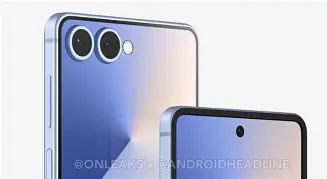
If you value compactness and the novelty of folding tech, the Flip 7 is unmatched — it fits in smaller pockets, and closing it protects the main screen. But that portability is a trade-off for battery and, arguably, long-term ruggedness. I treated the Flip with a little more care in my bag.
The Phone 3 is a comfortable everyday slab: it’s easy to pocket, visually distinctive, and handled being tossed on a table or slid into a bag without worry.
Buying Guide — How to decide
Here’s how I would decide based on different priorities. In my experience, the decision comes down to three questions: How much do you value portability and the flip experience? Do you prioritize battery life and straight-ahead daily usability? And how important is camera performance?
Choose the Samsung Galaxy Z Flip 7 if:
- You want a compact phone that folds — the feeling of closing the phone is legitimately satisfying and useful.
- You frequently take selfies or quick videos and will use the cover screen as a viewfinder.
- You enjoy Samsung’s One UI features, fold-optimized apps, and features like Wireless PowerShare.
- You're willing to accept shorter battery life in exchange for portability and the foldable form factor.
Choose the Nothing Phone 3 if:
- You want a phone with personality and a clean software experience out of the box.
- You need reliable all-day battery life and consistent performance for work or travel.
- You value a unique design and are intrigued by the Glyph lighting and customizable notifications.
- You don’t need the absolute best camera in low light but prefer a balanced overall experience.
Other practical tips before buying
- Try to test the Flip 7 in person: see how the hinge feels, check the crease visibility, and test the cover screen for tasks you expect to use frequently.
- For the Nothing Phone 3, spend a few minutes with the Glyph lighting and dynamic widgets to see if that aesthetic actually suits your daily routine.
- Check software update promises and support policies — a lean OS is great, but regular security and feature updates matter for long-term ownership.
- Consider storage and base configuration: both phones can be more satisfying with more storage if you shoot lots of photos and videos.
- Buy a good protective case for the Flip to mitigate hinge dust concerns and protect the foldable display from scratches.
Final thoughts and conclusion
After several months living with both devices, here's how I would sum up my personal verdict: the Samsung Galaxy Z Flip 7 is the phone I reach for when I want something compact, fun to use, and optimized for quick social capture. The cover screen and foldable form factor genuinely change how I approach quick photography and pocketability. What I found frustrating at times was the battery life — it demands a little more planning than a conventional slab.
The Nothing Phone 3, in my experience, is the more practical daily driver. It’s the one I used on long workdays and travel because of its consistent battery performance, clean software, and comfortable in-hand feel. The Glyph lights and design language add character without getting in the way of usability — though the camera and some software edges don’t quite top the most expensive flagships.
If I had to summarize simply: choose the Flip 7 if you want the foldable experience and can live with its battery compromise; choose the Nothing Phone 3 if you want style and day-to-day reliability. Personally, I kept both because they each excel in different contexts — the Flip for weekend, social, and compact-carry days; the Phone 3 for heavy workdays and when I wanted a low-drama, dependable companion. Either way, you get a distinct experience compared to the sea of lookalike slab phones, and in my hands, both devices delivered memorable and worthwhile daily use.